
The New Client In The Room.
We’ve noticed something changing in the early conversations we’re having with clients.
It’s not the questions they ask. Those are often the same ones we’ve been hearing for thirty years. It’s what they bring into the room with them. References they’ve collected. Spaces they’ve stayed in and studied. A more developed vocabulary for what they want and what they won’t accept. Even a confidence in their own taste that previous generations of clients sometimes didn’t have, or didn’t feel they were allowed to express.
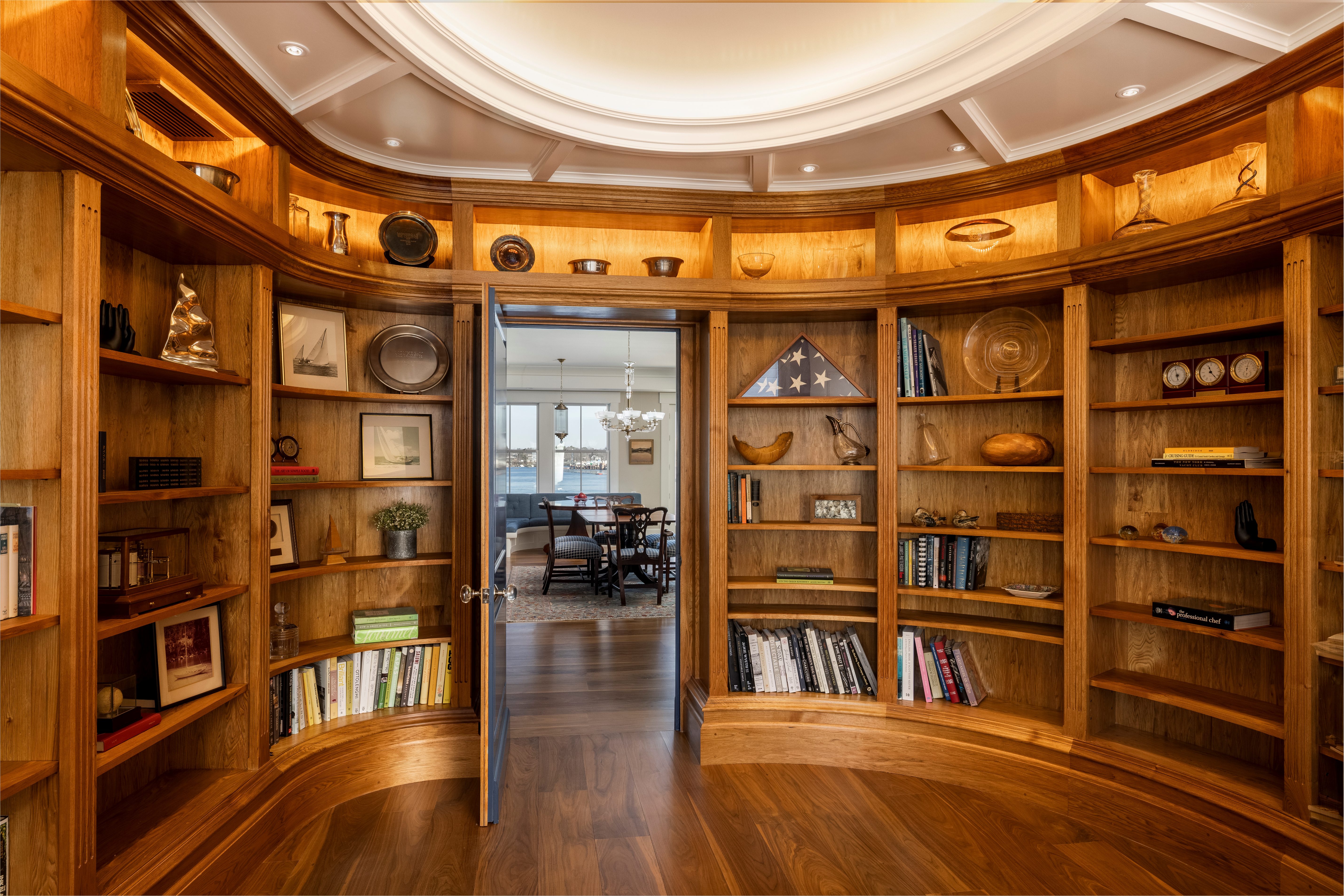
The owners coming to us now – for boats and floating homes, increasingly for land-based projects too – have lived in more considered spaces than their predecessors. They’ve traveled differently. They’ve spent time in hotels and houses and restaurants where someone thought hard about every surface and proportion and material, and that exposure has calibrated them. They know what good feels like.
They arrive already knowing that what they want is specific, and they’re less willing than earlier clients to accept something generic because it’s easier or cheaper to deliver.
Some of this is simply the result of design becoming more visible as a cultural conversation. But we think there’s something else underneath it, something we see clearly in the kind of objects and environments our clients choose when they’re not commissioning anything.
For some, it’s a vintage watch rather than a “connected” one. Or the handmade piece of furniture rather than the manufactured equivalent. The older boat, rebuilt with care, rather than a new production model. These aren’t just aesthetic preferences. They’re a set of values, even a belief that things made with genuine skill and intention are worth more than things optimized for convenience. And that the spaces you inhabit should reflect who you actually are rather than who the market assumes you to be.
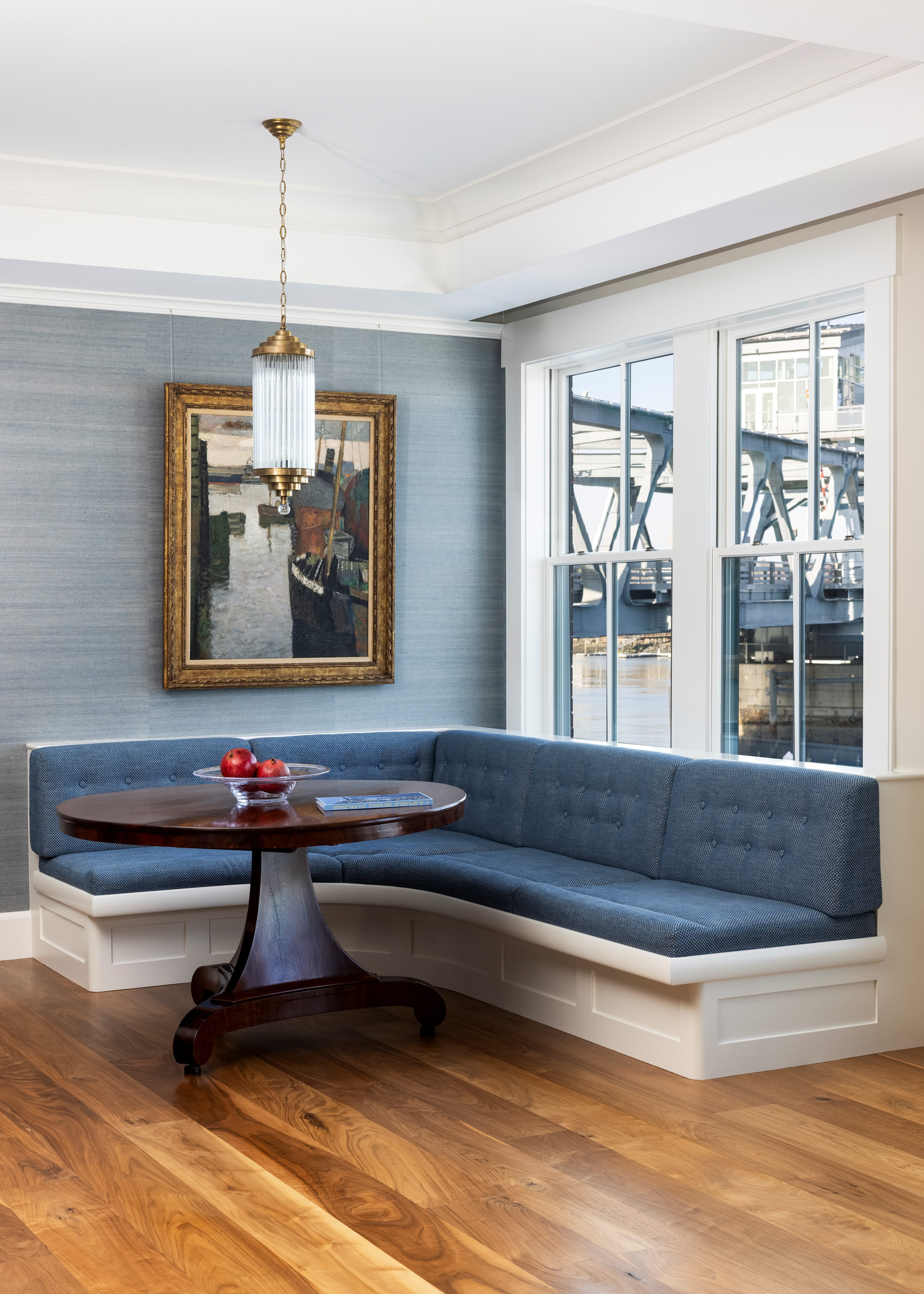
We live in an environment that optimizes almost everything, our attention, our time, our choices. Against that backdrop, a well-considered physical space has become something different than it used to be. It’s irreducibly real. You can’t scroll past a room. You can’t improve it with a software update.
The texture of a wall, the quality of light at a particular hour, the sound a door makes when it closes, these things are fixed, material, and either right or not. For a growing number of the people we work with, that’s not incidental to why they’re investing in these spaces. It’s a significant part of the point.
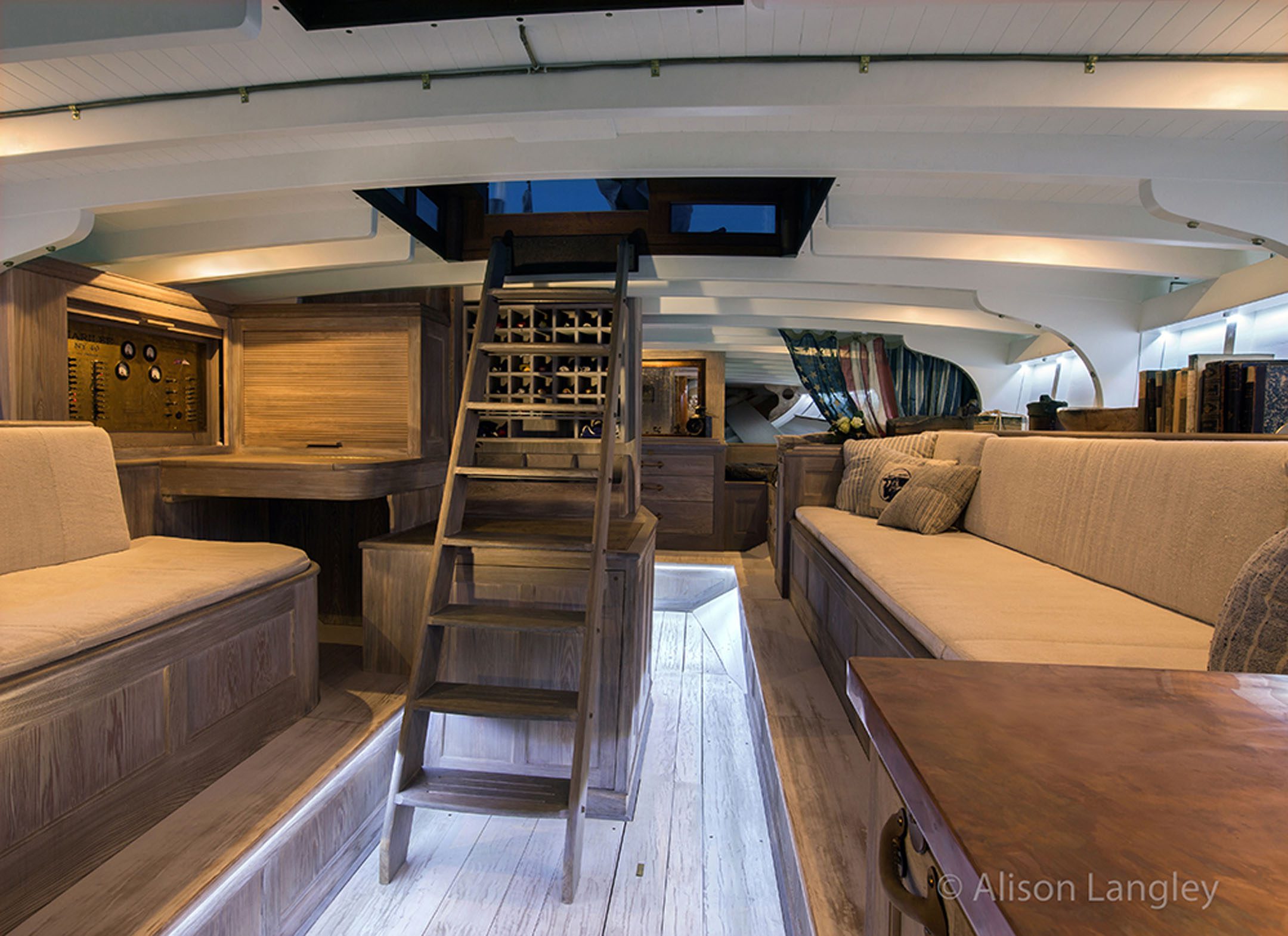
What this means practically is that the design conversation has to happen earlier and go deeper. A floor plan and a finishes schedule aren’t sufficient anymore. These clients can tell the difference between a space that was designed and one that was decorated, or between a decision that was made and one that was avoided. They may not always be able to say why. They don’t need to. They’ll know.
We’ve been having this conversation on boats for three decades. We know how to find what a client actually wants and build a project around it. That capability doesn’t stop at the waterline, and the clients arriving in Maine’s coastal communities right now are asking for exactly this kind of partnership, often without quite knowing where to find it.
We’re here.